


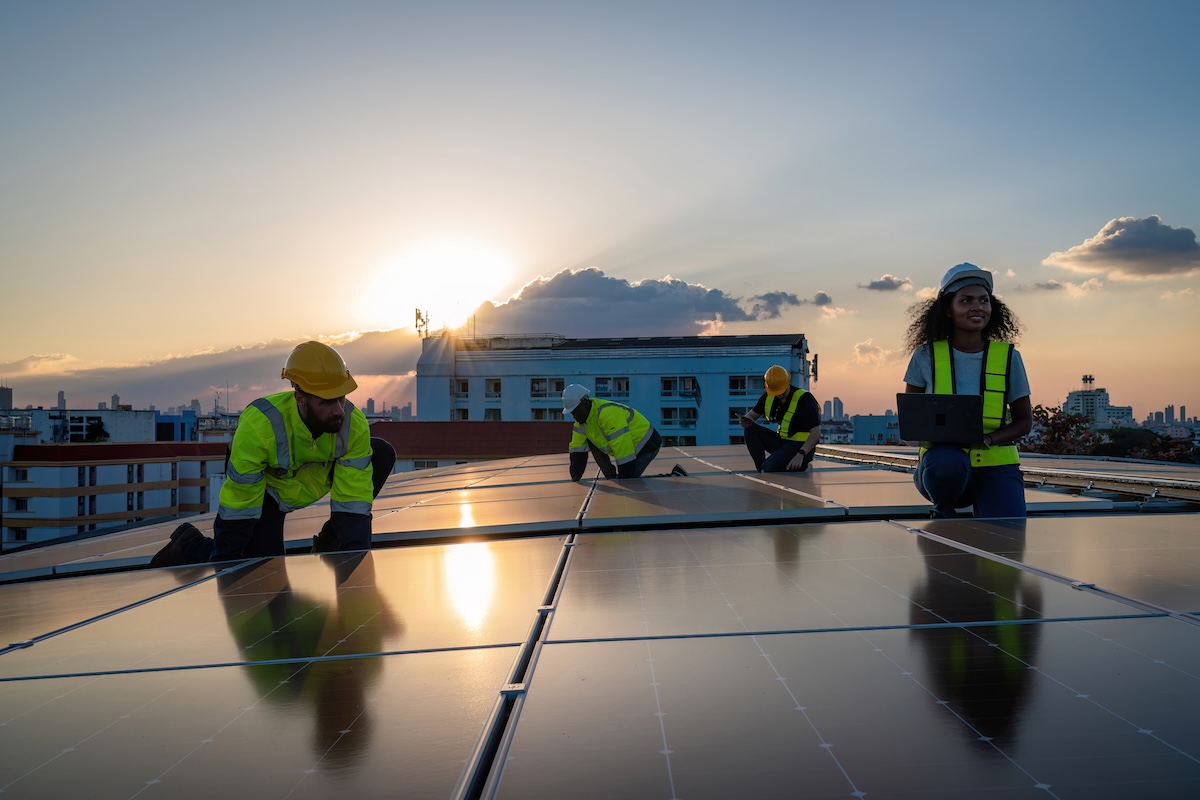
Implementing solar energy in commercial buildings is no longer just a trend but a strategic decision that offers a range of benefits. From significant energy savings to enhanced environmental credibility, smart commercial buildings are making the switch to solar for a variety of reasons. Here’s why solar power is becoming a standard feature in modern commercial buildings.
1. Reducing Operational Costs
One of the primary drivers behind the adoption of solar power in commercial buildings is the potential for substantial cost savings. Commercial buildings often consume vast amounts of energy, and electricity bills can represent a significant portion of operational expenses. By installing solar panels, businesses can generate their own electricity, reducing reliance on the grid and cutting energy bills.
Many companies are seeing a return on investment (ROI) in just a few years, thanks to these savings. Additionally, the use of solar energy provides a level of protection from fluctuating energy prices, offering businesses greater financial predictability and control over long-term energy costs.
2. Meeting Sustainability Goals
Sustainability is no longer a buzzword—it’s a corporate responsibility. With growing pressure from consumers, investors, and regulators, companies are prioritizing environmental initiatives, and solar power plays a central role in achieving sustainability goals. Solar energy is a clean, renewable resource that drastically reduces a building’s carbon footprint. By investing in solar, commercial buildings can show a commitment to reducing greenhouse gas emissions, which aligns with global efforts to combat climate change.
This shift toward sustainability can also improve a company’s reputation. Many consumers and clients prefer doing business with environmentally responsible companies, and having a solar-powered building enhances that image. It’s not just good for the environment—it’s good for business.
3. Taking Advantage of Government Incentives
Governments at the federal, state, and local levels offer various incentives for businesses that choose to go solar. These incentives include tax credits, rebates, and grants that significantly reduce the upfront costs of installation. One of the most well-known is the federal solar investment tax credit (ITC), which allows businesses to deduct a portion of their solar installation costs from their federal taxes.

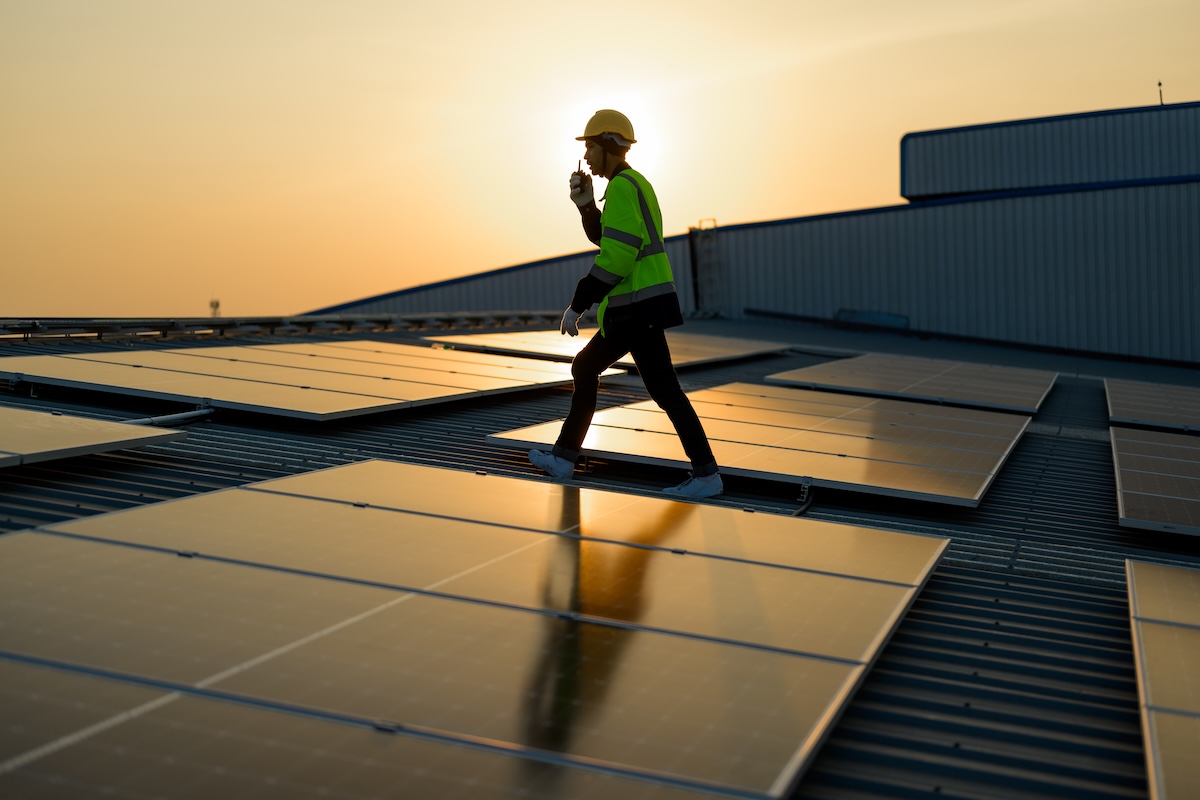
In addition, some states and local governments offer additional rebates and incentives, further reducing the overall investment. For businesses looking to make smart financial decisions, taking advantage of these incentives makes solar power a very attractive option.
4. Energy Independence and Resilience
Commercial buildings that implement solar power benefit from greater energy independence. Relying solely on the electrical grid can leave businesses vulnerable to outages or rising energy costs. By producing their own electricity, businesses can reduce this dependence, especially when paired with energy storage solutions like battery systems.
In the event of a power outage or grid disruption, a building equipped with solar panels and energy storage can continue to operate, providing resilience that is especially valuable for industries where continuous power is critical.
5. Boosting Property Value
Installing solar panels doesn’t just reduce operating costs—it can also increase the overall value of the building. Commercial properties with solar energy systems are often more attractive to buyers and tenants due to the reduced energy costs and the growing demand for eco-friendly buildings. This can result in higher leasing rates and increased property value, making it a wise investment for building owners.
Conclusion
Smart commercial buildings are implementing solar power because it offers tangible financial, environmental, and operational benefits. From reducing energy costs and enhancing sustainability to increasing property value and providing energy resilience, solar power is a strategic decision for forward-thinking businesses. As technology improves and government incentives continue to support solar adoption, we can expect more commercial buildings to follow suit, harnessing the power of the sun for long-term gains.