

Transitioning to solar power can be a significant investment, and it’s essential to determine whether your home is ready for this upgrade. Here’s a quick guide to help you assess your home’s readiness for solar energy.
1. Evaluate Your Energy Needs
The first step in determining if your home is ready for solar is to evaluate your energy needs. Review your energy bills from the past year to identify your average monthly usage. This will give you an idea of how much electricity you consume and how much solar energy you may need to produce. Understanding your energy consumption will also help you size your solar system appropriately.
2. Check Your Roof’s Condition
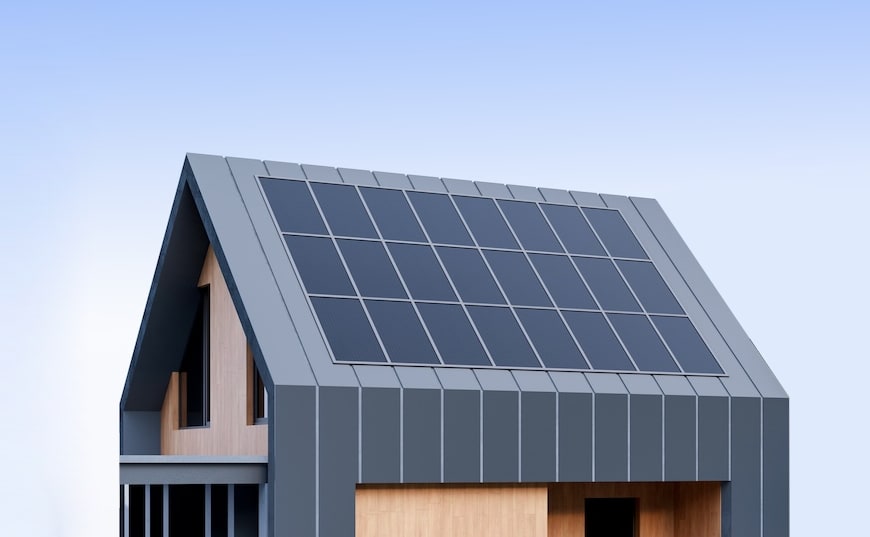
Your roof plays a crucial role in your solar panel installation. Before going solar, it’s essential to ensure that your roof is in good condition and has a lifespan of at least 15 to 20 years. Look for signs of damage, such as missing shingles, leaks, or significant wear and tear. If your roof needs repairs or replacement, it’s wise to address these issues before installing solar panels.
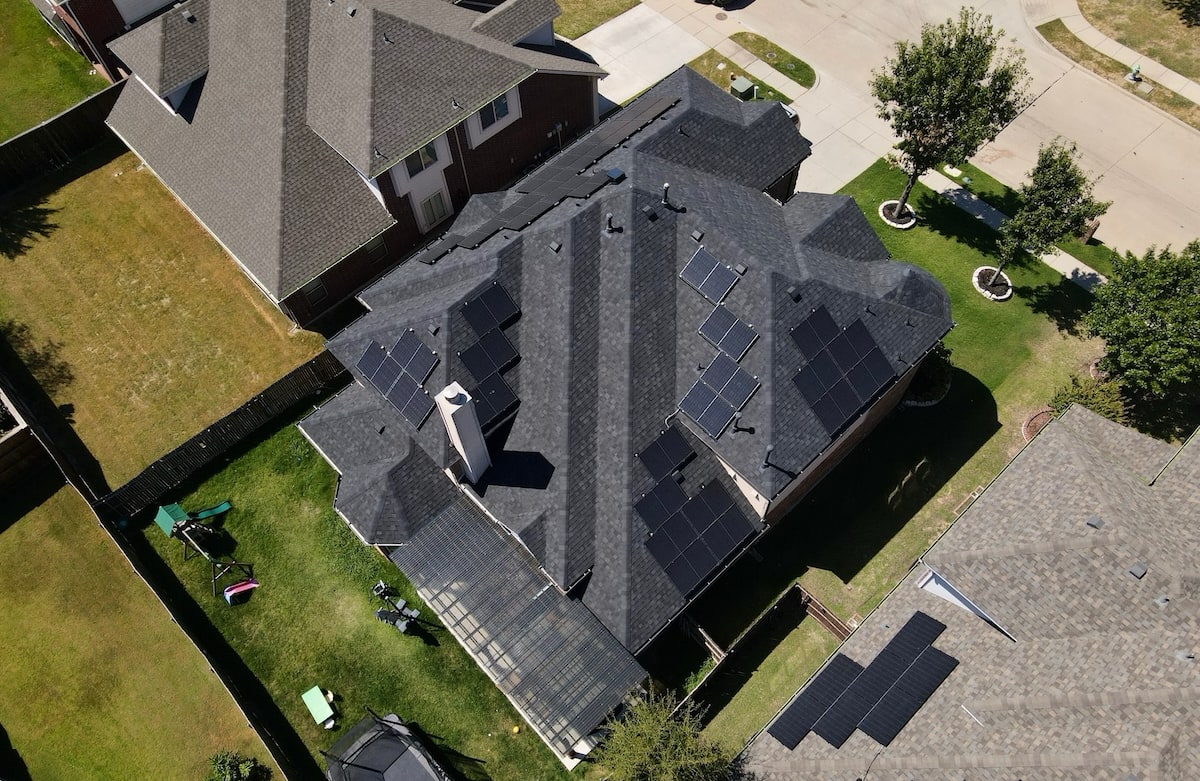
Additionally, consider the roof’s orientation and pitch. South-facing roofs generally receive the most sunlight, but east- and west-facing roofs can also work well for solar installations.
3. Assess Sunlight Exposure
Solar panels require sunlight to generate energy, so it’s crucial to assess your home’s sunlight exposure throughout the day. Check for any obstructions that may cast shadows on your roof, such as trees, buildings, or other structures. Ideally, your roof should receive direct sunlight for at least six hours a day to maximize energy production.
You can use solar mapping tools or consult with a local solar provider to evaluate your home’s solar potential. These tools take into account factors like shading, roof angle, and geographic location to provide insights into how much energy your solar system could produce.
4. Review Local Regulations and Incentives
Before moving forward with a solar installation, familiarize yourself with local regulations, building codes, and zoning laws that may affect your project. Some areas have restrictions on the size and placement of solar panels. Additionally, check for any homeowner association (HOA) guidelines that may apply.
Many states and local governments offer incentives and rebates for solar installations, which can significantly reduce your upfront costs. Research available programs and financial incentives in your area to determine how they may benefit you.
5. Consider Financing Options
Solar panels can be a significant investment, but various financing options are available to make the transition more affordable. Consider whether you prefer to purchase your solar system outright, take out a loan, or enter into a solar lease or power purchase agreement (PPA). Each option has its advantages and drawbacks, so it’s essential to evaluate what works best for your financial situation and long-term goals.
6. Consult with a Solar Professional
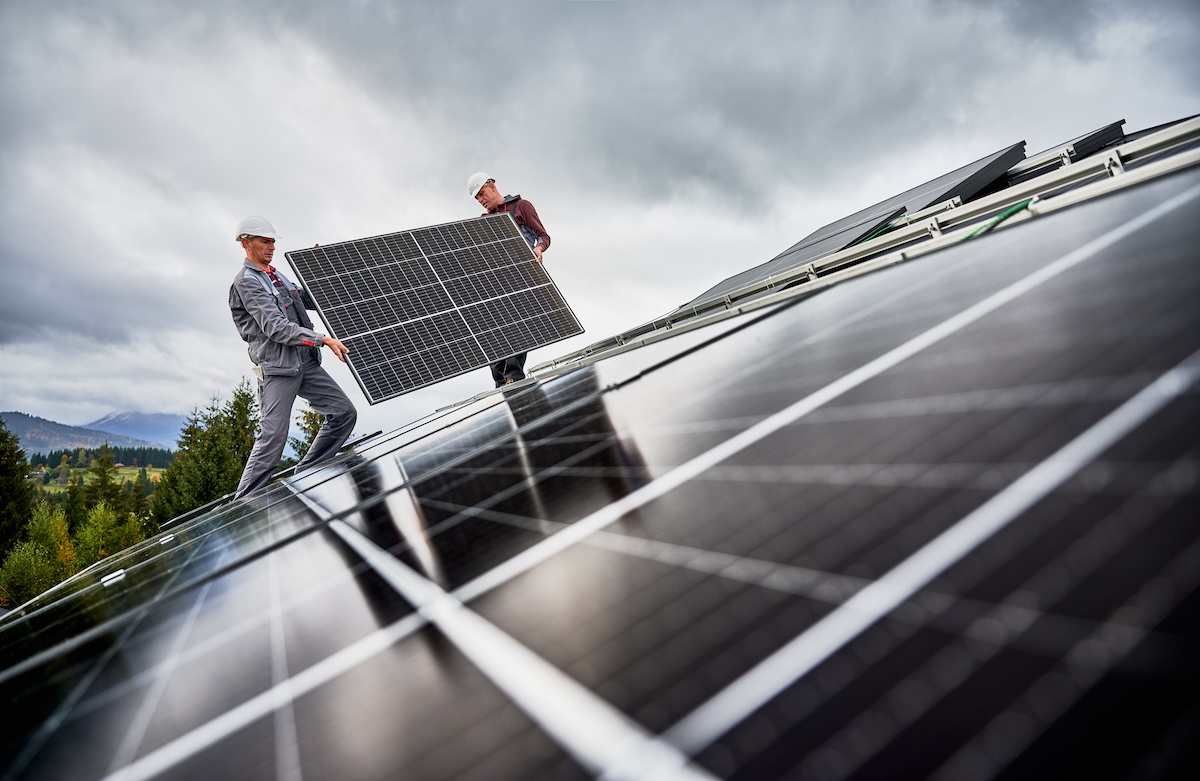
Finally, consulting with a solar professional can provide you with valuable insights into your home’s readiness for solar. An experienced solar installer can perform a site assessment, provide tailored recommendations, and help you navigate the installation process. They can also assist with permitting and paperwork, making the transition to solar as seamless as possible.
Conclusion
Determining if your home is ready for solar energy involves evaluating your energy needs, roof condition, sunlight exposure, local regulations, and financing options. By conducting this assessment and consulting with professionals, you can make an informed decision about whether solar power is the right choice for your home. Making the switch to solar can lead to significant savings, increased property value, and a smaller carbon footprint—benefits that make the effort worthwhile.